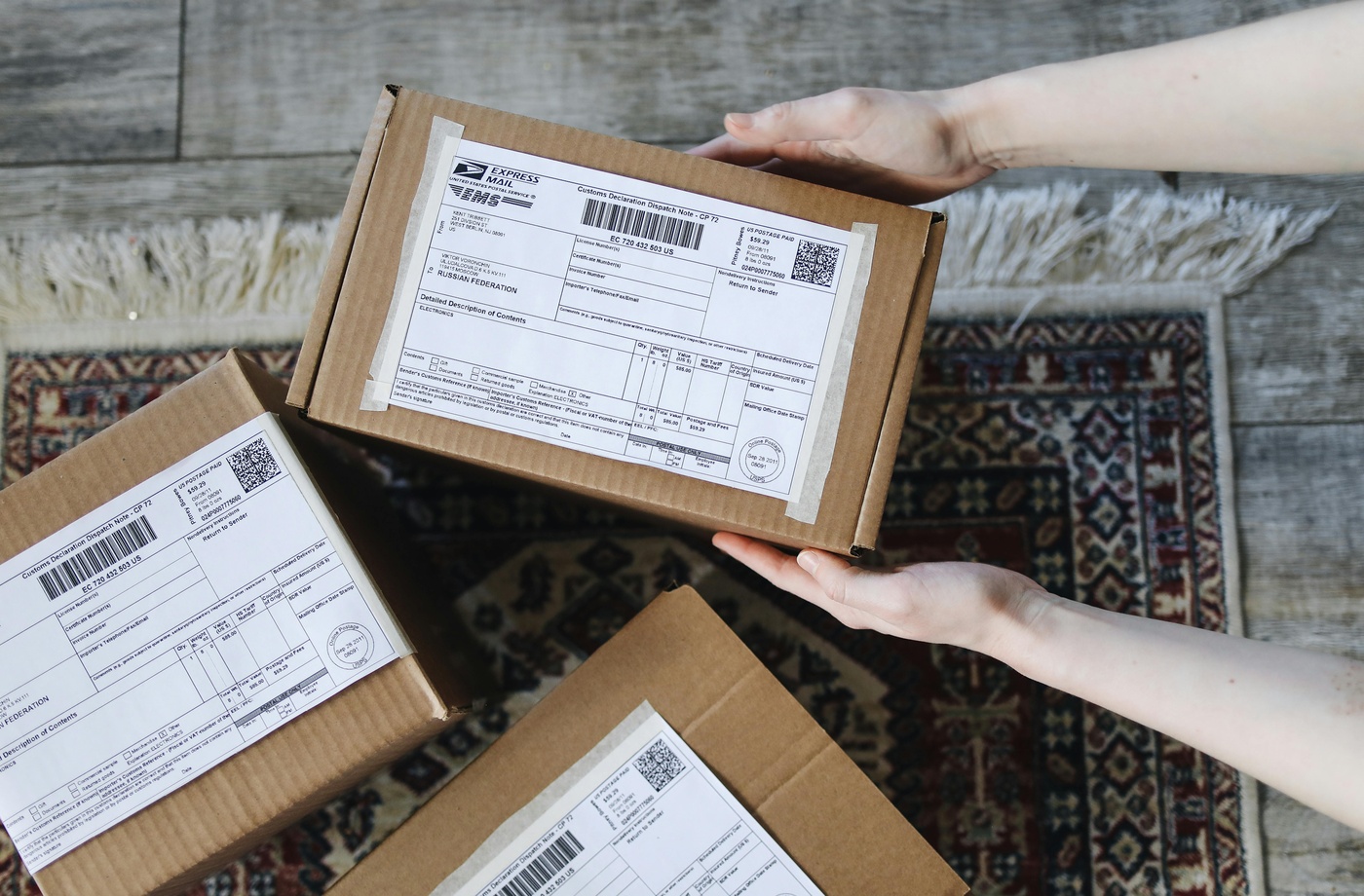
For e-commerce sellers, shipping isn’t just about getting products from point A to point B—it’s also about managing risk. Lost, damaged, or stolen packages can lead to unhappy customers and costly replacements. That’s where shipping insurance comes in. Understanding how insurance works, when you need it, and how to choose the right coverage can protect your business and improve customer satisfaction.
What Shipping Insurance Covers
Shipping insurance typically covers lost, damaged, or stolen packages while in transit. Coverage depends on the carrier and the level of insurance purchased. For example, UPS and FedEx provide declared value coverage by default up to $100 per package, with the option to purchase higher limits. USPS includes up to $50 of insurance on Priority Mail shipments, and additional coverage can be added for a fee.
When E-Commerce Sellers Should Buy Insurance
Not every package needs insurance, but there are certain scenarios where it makes sense:
- High-Value Orders: Jewelry, electronics, or luxury items should always be covered.
- Fragile Items: Even with proper packaging, delicate items are at higher risk.
- International Shipments: Crossing borders increases the chance of loss or delays.
- High-Volume Seasons: During holidays, the increased package load raises the risk of mishandling.
Carrier Insurance vs Third-Party Insurance
While carriers like UPS, FedEx, and USPS offer insurance, third-party providers such as Shipsurance or U-PIC often provide more affordable rates, especially for high-volume sellers. Third-party policies may also offer broader coverage and simpler claim processes.
Filing a Claim
Each carrier has its own process for filing claims. Typically, you’ll need proof of value (like an invoice), proof of shipment, and in cases of damage, photos of the item and packaging. Timelines vary, so e-commerce sellers should familiarize themselves with each carrier’s requirements to avoid delays.
Reducing Risk Before You Insure
Insurance is important, but prevention is just as critical. Using sturdy packaging, adding cushioning for fragile items, and including tracking can reduce the likelihood of needing to file a claim in the first place.
Final Thoughts
Shipping insurance is an essential safety net for e-commerce sellers. By knowing when to use it, comparing carrier vs third-party options, and understanding the claims process, you can protect your business from financial loss and keep your customers happy.