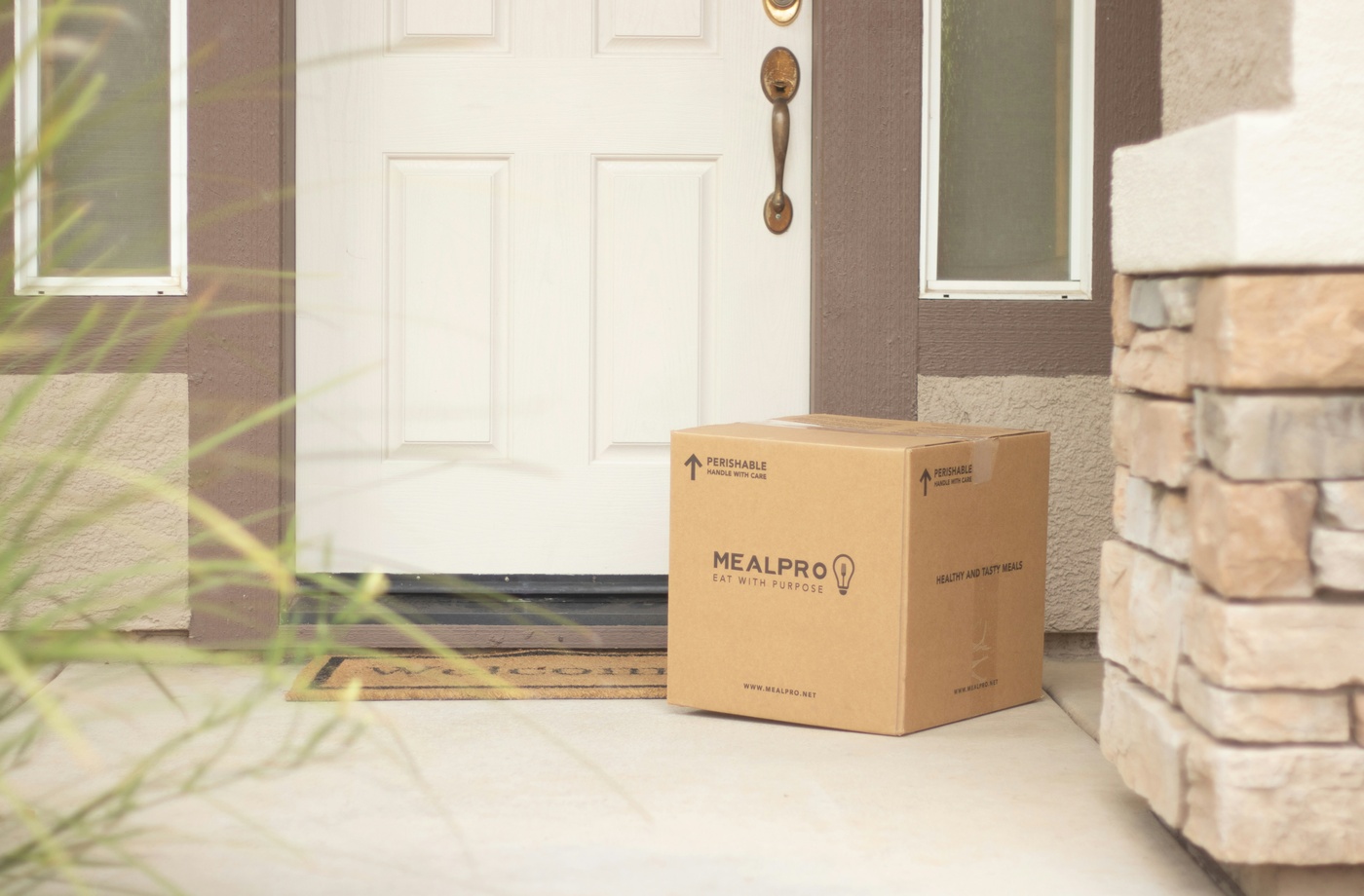
Offering free shipping has become a powerful way to increase conversions and reduce cart abandonment, but for small businesses, the cost can be difficult to absorb. Customers now expect free delivery as a standard option, especially when shopping online, but that doesn’t mean you need to take a financial hit. With smart planning and the right strategies, free shipping can actually drive more sales and profitability.
Build Shipping Costs Into Product Pricing
One of the simplest ways to offer free shipping is to factor the cost into your product price. If you typically charge $5 for shipping, consider adjusting your product pricing slightly to cover it. Customers are often more willing to pay a slightly higher product price than to see extra fees added at checkout.
Set Minimum Order Thresholds
Encourage larger purchases by setting a free shipping threshold. For example, offering free shipping on orders over $50 incentivizes customers to add more items to their carts. This boosts your average order value while helping offset the cost of shipping. Many retailers, including Target and Walmart, use this strategy effectively.
Limit Free Shipping to Certain Products or Regions
Not every item needs to qualify for free shipping. Reserve it for lightweight or high-margin products where the cost is easier to absorb. Similarly, consider restricting free shipping to domestic orders while charging for international deliveries, where costs are significantly higher.
Leverage Carrier Discounts and Shipping Software
Businesses can save money by negotiating discounted rates with carriers like UPS, FedEx, and DHL. Shipping software such as ShipStation or Pirate Ship also provides access to commercial rates that reduce the cost of postage, making it easier to fund free shipping offers.
Offset Costs with Cashback and Rewards
Another effective way to balance free shipping costs is to use cashback platforms. For example, you can get rewards with a DHL gift card through Fluz, or earn cashback on supplies and postage using apps like Rakuten and Ibotta. These savings can be reinvested into covering shipping expenses, effectively subsidizing your free shipping program.
Test and Measure Your Strategy
Free shipping doesn’t have to be all or nothing. Test different approaches, such as offering it only during promotions or limiting it to certain categories. Measure the impact on conversion rates, cart size, and profitability to find the balance that works best for your business.
Final Thoughts
Free shipping is an expectation in modern e-commerce, but it doesn’t need to cut into your profits. By setting thresholds, adjusting pricing, leveraging discounts, and stacking rewards, you can meet customer expectations while keeping your bottom line healthy.